


Breaking Old Patterns: You've Done the Work. So Why Are You Still Stuck?

Understanding the patterns, beliefs and behaviours that keep you repeating the same chapters — and discovering how to create a different story.
Let's be honest for a minute.
You've worked on yourself.
You've read the books, listened to the podcasts, perhaps gone to counselling, tried meditation, repeated affirmations and promised yourself that things would be different this time.
You've journaled. You've downloaded the apps. You've told yourself to think positively, raise your vibration and just let it go.
And yet...
You still find yourself attracting similar relationships.
You still struggle to say no without feeling guilty.
You still overthink conversations that happened three days ago.
You still put everyone else's needs ahead of your own.
And sometimes, despite everything you've learned, you find yourself right back where you started.
Breaking old patterns isn't simply about deciding to behave differently. It's about understanding why those patterns developed, what keeps reinforcing them and how we can begin creating new responses.
So what's missing?
Is it possible to understand exactly why you do something and still struggle to stop doing it?
Absolutely.
Because knowing your patterns and changing how you respond to them are two very different things.
And today, I want to explore why that happens, what might be keeping you stuck and how you can begin looking at yourself a little differently.
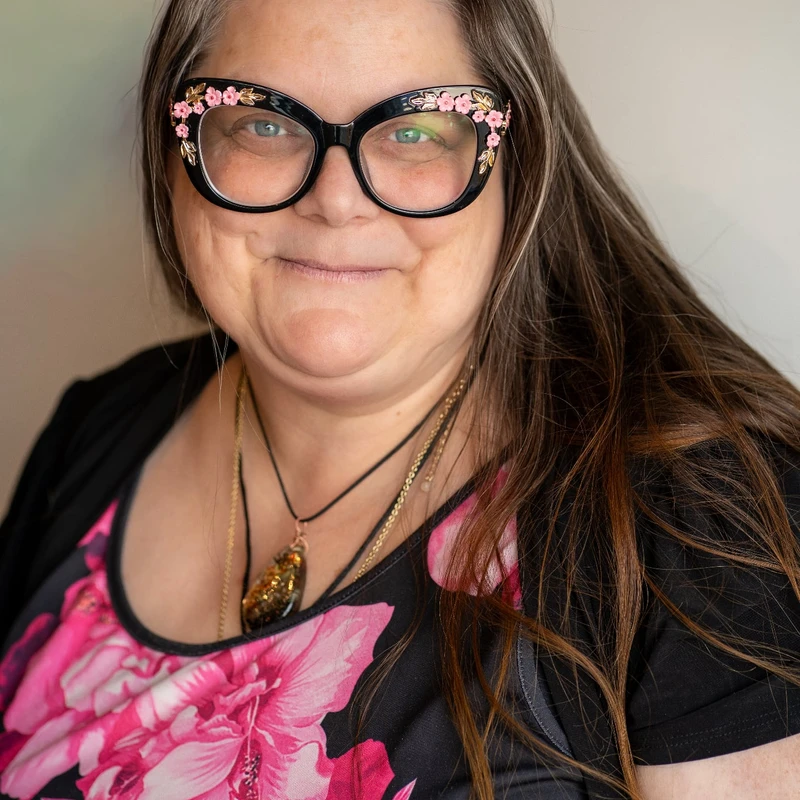
I'm Teresa Collins, founder of Blended Spirit Academy and Wellness. I call myself The Soul Mechanic.
Not because I believe people are broken and need fixing. Quite the opposite.
I believe that sometimes we need to get beneath the surface, understand what's happening and discover the tools that help us create a different experience.
Let's get under the hood.
Why Breaking Old Patterns Can Be So Difficult
Have you ever wondered why you can desperately want something different but still find yourself doing the same things?
You know you need boundaries, but you say yes.
You know a relationship isn't healthy for you, but you struggle to walk away.
You know you need to slow down, but you keep filling every available minute.
You know you deserve to be treated differently, but somehow you keep accepting less.
Why?
One way I like to explore this is through four important human needs: certainty, familiarity, connection and transformation.
Think of these as four parts of the emotional journey we can experience when navigating change.
Understanding them can help us recognize why change sometimes feels so difficult.
1. CERTAINTY: The Need to Feel Safe
We like to know what's coming.
We want some sense of stability, predictability and control over our lives.
Think about someone who knows they're unhappy in their relationship.
They've considered leaving. They've imagined what life could look like. They've even talked about it with friends.
But then the questions begin.
What if I make the wrong decision?
What if I can't manage on my own?
What if things get worse?
And suddenly, staying where they are feels easier than stepping into the unknown.
Sometimes we don't stay because we're happy. We stay because we know what to expect.
This doesn't mean we should make impulsive decisions or ignore genuine risks. It means recognizing how much our need for security can influence our choices.
Something to consider: Where in your life are you choosing what feels predictable over what might actually be healthier for you?
2. FAMILIARITY: But This Is What I Know!
This is where things get really interesting.
Familiarity can be incredibly powerful.
If you've spent years being the people pleaser, the fixer, the caretaker or the person who never says no, those behaviours can become automatic.
You might even feel uncomfortable when you try to do something differently.
Imagine always putting everyone else's needs first.
The first time you establish a boundary, you feel guilty.
The first time you say no, you feel selfish.
The first time you stop rescuing someone, you wonder whether you're a terrible person.
But what if you're not doing anything wrong?
What if you're simply doing something unfamiliar?
Sometimes we mistake familiarity for safety. We repeat behaviours because they're what we've learned, not necessarily because they're good for us.
Our past experiences, relationships and environments can influence what feels normal to us.
And sometimes we carry those responses into situations where they no longer serve us.
Something to consider: Are you holding on to something because it's genuinely good for you, or because it's what you've always known?
3. CONNECTION: I Don't Have to Figure This Out Alone
We all want to feel seen, heard and understood.
We want to know that our experiences matter and that we don't have to pretend everything is fine when it isn't.
Sometimes the most powerful part of personal growth is having someone help you see what you haven't been able to see for yourself.
Not someone who tells you how to live.
Not someone who makes you dependent on them.
Someone who creates a space where you can explore your beliefs, recognize your patterns and reconnect with your ability to make choices.
Think about how different a difficult conversation feels when you're being heard instead of judged.
That sense of connection can make it easier to explore uncomfortable questions and consider new possibilities.
And connection doesn't always have to come from another person. It can also mean reconnecting with yourself, your values, your needs and what actually matters to you.
Something to consider: When was the last time you felt truly connected to yourself, rather than simply managing everyone and everything around you?
4. TRANSFORMATION: What If Something Different Is Possible?
Now we're getting somewhere!
What if you could establish boundaries without feeling guilty?
What if you could recognize an old pattern before automatically stepping into it?
What if you could stop defining yourself by experiences that happened years ago?
What if you could create relationships, routines and a life that better reflect who you are today?
Transformation isn't about becoming someone else.
It's about developing awareness, exploring new possibilities and making choices that better reflect the person you want to become.
And here's something important:
Transformation doesn't always look dramatic.
Sometimes it's the first time you say no.
Sometimes it's choosing not to engage in an argument.
Sometimes it's recognizing that you are emotionally exhausted and giving yourself permission to rest.
Sometimes it's realizing that you don't have to earn your worth by being useful to everyone.
Small changes can create meaningful differences over time.
So How Do We Actually Change These Patterns?
This is where I want to introduce something I call my Soul Mechanic toolbox.
Think about taking your vehicle to a mechanic.
You might hear a strange noise, notice something isn't running properly or realize something isn't performing the way it used to.
A good mechanic doesn't simply turn up the radio so you can't hear the noise.
They investigate.
They look beneath the surface and determine what needs attention.
I approach personal transformation in a similar way.
There isn't one tool that works for everyone. Different challenges may call for different approaches.
Here are five ways we can begin exploring change.
Hypnotherapy: Exploring Beneath the Conscious Surface
Have you ever caught yourself saying:
"I know I shouldn't feel this way, but I do."
"I know I deserve better, but I keep going back."
"I know I need to say no, but I can't seem to do it."
Our conscious understanding of a situation doesn't always change our learned emotional responses or habits.
Hypnotherapy uses focused attention, relaxation and therapeutic suggestion to help people explore beliefs, associations and behavioural patterns.
It can be used to support personal goals involving confidence, habits, self-worth and emotional responses.
It's not mind control, and it doesn't magically erase your past.
But it can offer a structured opportunity to explore how you think, feel and respond, and practise different ways of approaching situations.
Reiki: Giving Yourself Permission to Slow Down
Sometimes we're so busy thinking, doing and taking care of everyone else that we forget to simply be.
Reiki is a complementary energy-based practice that many people find relaxing and restorative.
It provides an opportunity to slow down, turn your attention inward and reconnect with your own wellbeing.
I love incorporating Reiki into personal development because self-care isn't just about buying yourself something nice or taking a day off.
Sometimes it's about creating space to actually pay attention to yourself.
Pattern Recognition: Connecting the Dots
This is one of my favourite parts of being a Soul Mechanic.
Why do you keep attracting similar relationship dynamics?
Why do you feel responsible for everyone's happiness?
Why does setting a boundary make you uncomfortable?
Why do you keep putting yourself last?
Pattern recognition helps us explore the connections between our experiences, beliefs, emotions and behaviours.
It allows us to move from automatically reacting to becoming more conscious of our choices.
And here's something worth remembering:
You cannot consciously change a pattern you haven't yet recognized.
Somatic Work: Listening to Your Body
Have you ever noticed your shoulders tighten when someone speaks to you in a certain tone?
Or felt your stomach drop when you receive a particular message?
Perhaps you clench your jaw, hold your breath or feel restless without understanding why.
Our experiences can influence how we respond physically and emotionally.
Somatic approaches bring attention to the relationship between bodily sensations, emotions and experiences.
Through grounding, breathing and gentle body awareness, we can begin recognizing our responses and practising ways to regulate stress.
Sometimes our bodies give us clues that our thinking minds haven't quite caught up with yet.
Life Coaching: Turning Awareness Into Action
Understanding yourself is wonderful, but what happens next?
You can recognize your patterns, explore your beliefs and become more aware of your responses.
But eventually, you have to decide what you want to do differently.
Life coaching helps turn awareness into direction.
What do you want?
What's getting in the way?
What needs to change?
And what practical steps can you take to move forward?
Because transformation needs to show up in your everyday life, not just in the things you understand about yourself.
These approaches can be used individually or combined where appropriate. The goal isn't to do everything. It's to explore what is suitable for you.
Let's Do a Little Soul Mechanic Check Under the Hood
I don't want you to simply read this article, nod your head and move on with your day.
Let's actually put something into practice.
Find five quiet minutes. Grab a notebook or open your notes app.
I want you to answer these five questions honestly.
1. What keeps happening in my life that I'm tired of experiencing?
Think about relationships, work, family dynamics, emotional responses or the way you treat yourself.
2. What do I consistently do when this happens?
Do you withdraw? People please? Overthink? Get defensive? Take responsibility for everyone else?
3. What am I afraid might happen if I respond differently?
Will someone be disappointed? Will you lose approval? Will you feel uncomfortable? Will you have to face something you've been avoiding?
4. Does this reaction feel familiar from an earlier experience?
Don't force an answer. Just notice whether there are similarities between how you respond today and experiences you've had before.
5. What is one small choice I could make differently next time?
Not ten things. Not a complete life overhaul.
One small choice.
Maybe it's pausing before saying yes.
Maybe it's asking for help.
Maybe it's allowing someone else to be responsible for their own feelings.
Maybe it's simply recognizing that you are allowed to have needs, too.
Take a moment with those answers.
You might discover something interesting.
Sometimes the first shift isn't changing the situation around you. It's recognizing the way you've been responding to it.
You Are Not Broken. You May Just Be Ready for a Different Way Forward.
After more than 15 years working with people internationally through teaching, training, hypnosis, energy work and personal transformation, there's something I keep coming back to.
People don't need another person telling them what's wrong with them.
They need opportunities to understand themselves differently.
I've met so many intelligent, successful, intuitive and capable women who privately struggle with self-worth, boundaries, emotional exhaustion and repeating patterns.
Women who are wonderful at taking care of everyone else but have somehow forgotten to include themselves.
And I want them to know something.
You don't have to remain the person who always keeps the peace.
You don't have to be the one who fixes everybody else's problems.
You don't have to keep saying yes when every part of you wants to say no.
And you don't have to spend another decade repeating a chapter you've already outgrown.
Your experiences may have influenced you, but they don't have to dictate every choice you make moving forward.
That's what being a Soul Mechanic means to me.
Not fixing broken people.
Helping people get curious about what's happening beneath the surface, recognize what they've been carrying and discover the tools and possibilities available to them.
Sometimes the hardest part of transformation isn't letting go of what hurts us. It's letting go of what has become familiar.
And perhaps that's where your next chapter begins.
One Last Thing Before You Go...
I want you to think about this:
If you weren't worried about disappointing anyone, if you weren't trying to keep everyone happy, and if you weren't automatically responding the way you always have...
What would you choose for yourself?
Don't rush the answer.
Sometimes the most important conversation you'll ever have is the one you finally allow yourself to have with yourself.
I'm Teresa Collins, The Soul Mechanic.
And I hope this article has given you something to think about, something to explore and perhaps one small reason to look at yourself a little differently.
You've spent enough time looking after everyone else.
It's okay to get curious about you.
Teresa Collins is the founder of Blended Spirit Academy and Wellness, where she teaches and works in personal development through life coaching, hypnotherapy, Reiki, energy awareness and Soul Alchemy. Her work focuses on helping people explore their potential, recognize patterns and discover new possibilities for personal growth.


Comments